Choosing Gate Styles for a Period or Modern Home
Choosing a gate style is about more than deciding between traditional and contemporary decoration. The gate has to sit comfortably with the building, frame the entrance at the right scale and provide the desired balance of privacy, security and visibility. This guide breaks down the design choices worth resolving before a bespoke gate is drawn up.
Read the architecture first
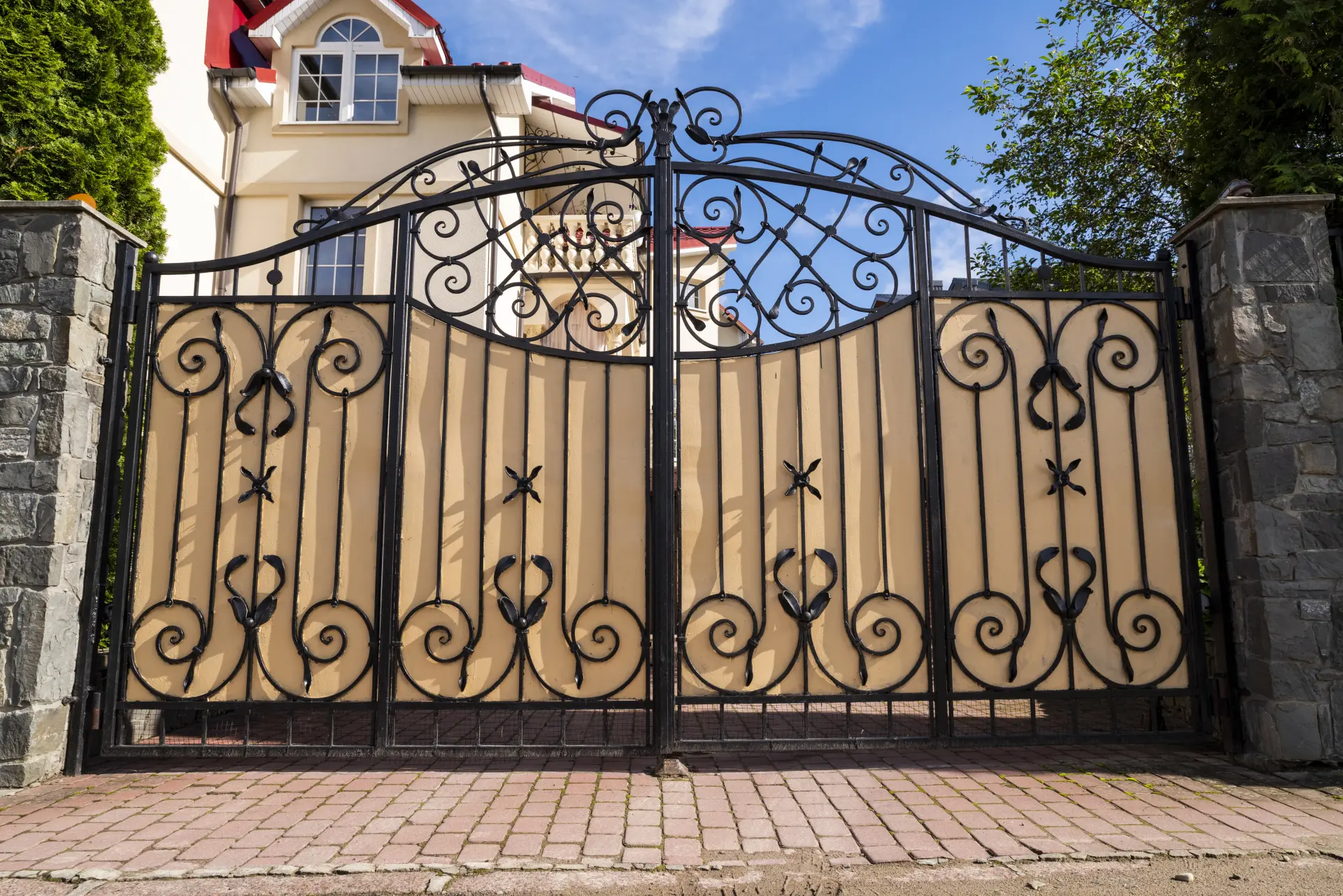
Begin with the house and boundary rather than a saved image from another project. Look at roof lines, window proportions, brick or stone tones, existing metal details and the age of the property. A period home may suit a gate with shaped rails, forged details or restrained curves, while a newer façade can support cleaner lines and larger uninterrupted panels.
The aim is not to copy every architectural feature literally. A successful gate picks up a few visual cues and translates them into metalwork with its own clear identity. A fabricator can help simplify an elaborate reference into a design that remains buildable, durable and legible from the road.
Set the correct visual scale
Gate height and width change the impression an entrance makes. A very tall gate can feel defensive on a modest frontage, while a low open design may leave a large drive visually exposed. Consider the size of adjacent pillars, boundary walls, hedges and the distance from which visitors first see the entrance.
Drawings should show the gate against the actual boundary rather than as an isolated elevation. This helps test whether top rails align with coping stones, whether infill feels too dense beside a narrow path, and whether the opening will still look balanced when one leaf is used more often than the other.
Decide what should be visible
Open bars, perforated panels, mesh and solid sheet all handle privacy differently. An open pattern can keep sight lines across a front garden and make an entrance feel welcoming, while more enclosed panels can screen parked vehicles or a private courtyard. The right answer depends on both the property and the view from the public side.
Think about visibility in both directions. A gate that conceals a driveway completely may affect how easily a driver sees pedestrians or traffic when leaving. If security is a concern, lighting, planting and access control may work alongside the gate design more effectively than making the metalwork solid from top to bottom.
Choose the rail and infill language
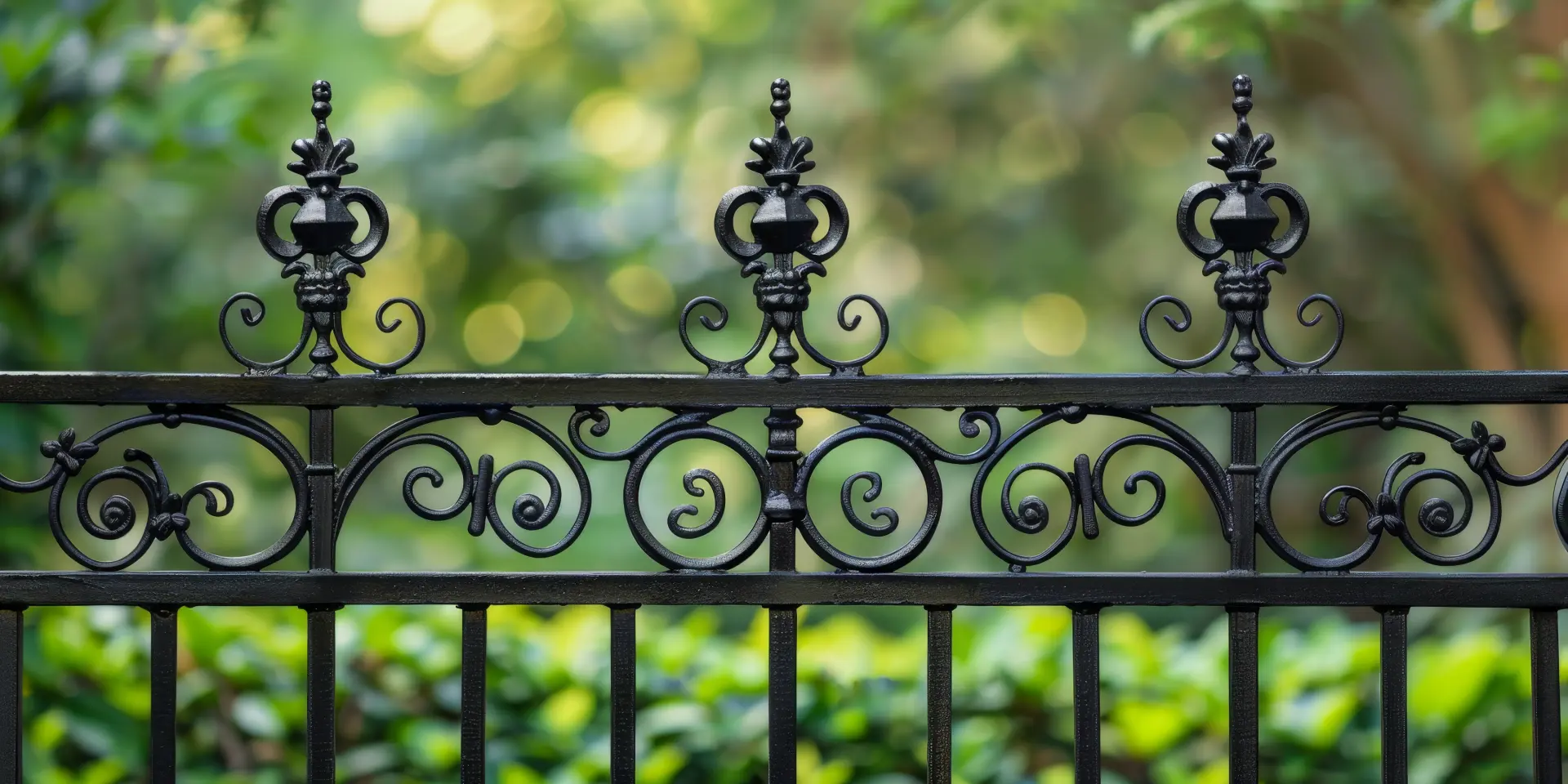
Horizontal rails can emphasise width and create a contemporary feel; vertical bars can make a narrow entrance appear taller; and curved or forged elements can introduce a softer, more traditional rhythm. The chosen language should continue consistently across pedestrian gates, side railings and any matching balcony or garden details.
Small decisions matter. The spacing of bars, profile of the top rail, shape of ends and treatment of welds all influence whether the work looks refined or improvised. A sample corner or detailed drawing is useful where a project includes decorative features, because it gives the client a chance to review the proportion at close range.
Balance security with welcome
Security features can be integrated without making a home feel unapproachable. Strong frames, reliable latches, hinge protection and appropriate access controls often matter more than visibly heavy decoration. A clear sight line to an intercom or pedestrian access point can improve everyday use while supporting the wider security strategy.
Consider who needs access when the driveway gate is closed. A separate pedestrian gate, a reachable latch or a controlled entry point may avoid people climbing over low walls or waiting in the road. Good gate design anticipates ordinary use as well as the exceptional situation of a delivery, trades visit or emergency.
Use colour and finish deliberately
A dark neutral finish can make metalwork recede against brick or planting, while a lighter or metallic tone can make the gate a visible architectural feature. Choose from samples viewed outside, because gloss, texture and perceived colour change considerably in daylight, shade and rain.
The finish should also suit the level of contact and exposure. A smooth high-gloss surface may suit a formal entrance but show finger marks and scratches. A fine texture can be more forgiving on a busy family driveway. Discuss galvanising, powder coating and touch-up strategy before the final colour is signed off.
Check permissions and neighbours
Some properties have planning, conservation or estate requirements that influence gate height, visibility or materials. It is better to check those constraints before commissioning detailed fabrication drawings. A design that meets the brief but conflicts with a local condition can delay the whole project.
Neighbouring access and shared boundaries deserve the same courtesy. Confirm the line of ownership, the swing of the gate and whether construction activity will affect a shared drive or wall. Early conversation can prevent a well-designed entrance becoming a source of avoidable dispute.
Discuss your project
Elements Metalworks can help turn an initial idea into a clear fabrication brief.