Why Regular Metal Staircase Maintenance Matters
Regular maintenance helps a metal staircase remain safe, clean and attractive. Although metal is strong, it can still be affected by dirt, moisture, movement and surface damage. A simple care routine allows small changes to be noticed before they develop into faults that are more difficult or costly to repair.
Safety is one of the main reasons for carrying out checks. Loose bolts, moving handrails, worn step surfaces and damaged balustrades may increase the risk of slips or falls. These issues are not always obvious during normal use. Looking closely at each part of the staircase makes it easier to identify movement, wear or damage at an early stage.
Maintenance also protects the finish. Paint, powder coating and other protective layers help prevent moisture from reaching the metal beneath. Scratches, chips and worn areas can weaken this protection. Cleaning away dirt and repairing minor surface damage can reduce the chance of rust or corrosion, particularly on outdoor or frequently used staircases.
A well-maintained staircase is likely to provide better long-term value. Regular cleaning can prevent dirt from becoming difficult to remove, while early repairs may prevent the need to replace larger parts. Maintenance records can also be useful in workplaces, rented properties and public buildings. They provide evidence that the staircase has been checked and that any concerns have been handled responsibly.
Identify the Type of Metal and Finish
Before cleaning or repairing a staircase, it is important to know what metal and surface finish have been used. Different materials respond to cleaning products and moisture in different ways. A product that is suitable for stainless steel may damage paint, while a rough tool that removes rust from plain steel could scratch a polished finish.
Common staircase metals include mild steel, stainless steel and aluminium. Mild steel normally needs a protective coating because it can rust when exposed to moisture and air. Stainless steel has better resistance to corrosion, but it can still develop marks or surface staining. Aluminium is lightweight and naturally resistant to many forms of corrosion, although its surface can still be scratched or damaged.
The finish should also be identified. The staircase may be painted, powder coated, galvanised, polished, brushed or left with a specialist decorative surface. Powder coating usually creates a smooth, even layer. Galvanised steel often has a slightly patterned or uneven silver-grey appearance. Stainless steel may have a bright polished surface or a softer brushed texture.
Information may be available in installation documents, maintenance guides or product records. The manufacturer or installer may also be able to confirm the material and finish. When this information is not available, test any cleaning product on a small, hidden area first. Correct identification helps prevent accidental damage and allows the most suitable cleaning, repair and protection methods to be chosen.
Remove Dust and Loose Dirt
Loose dust and dirt should be removed before wet cleaning begins. If these particles are rubbed across the surface, they may create small scratches or dull the finish. Dust can also collect around joints, step edges and fixing points, where it may hide signs of movement, rust or damage.
Start at the highest part of the staircase and work downwards. This prevents dust from falling onto areas that have already been cleaned. A soft brush, microfibre cloth or vacuum cleaner with a brush attachment can be used on most surfaces. Take care around corners, decorative panels and narrow gaps where dirt may collect.
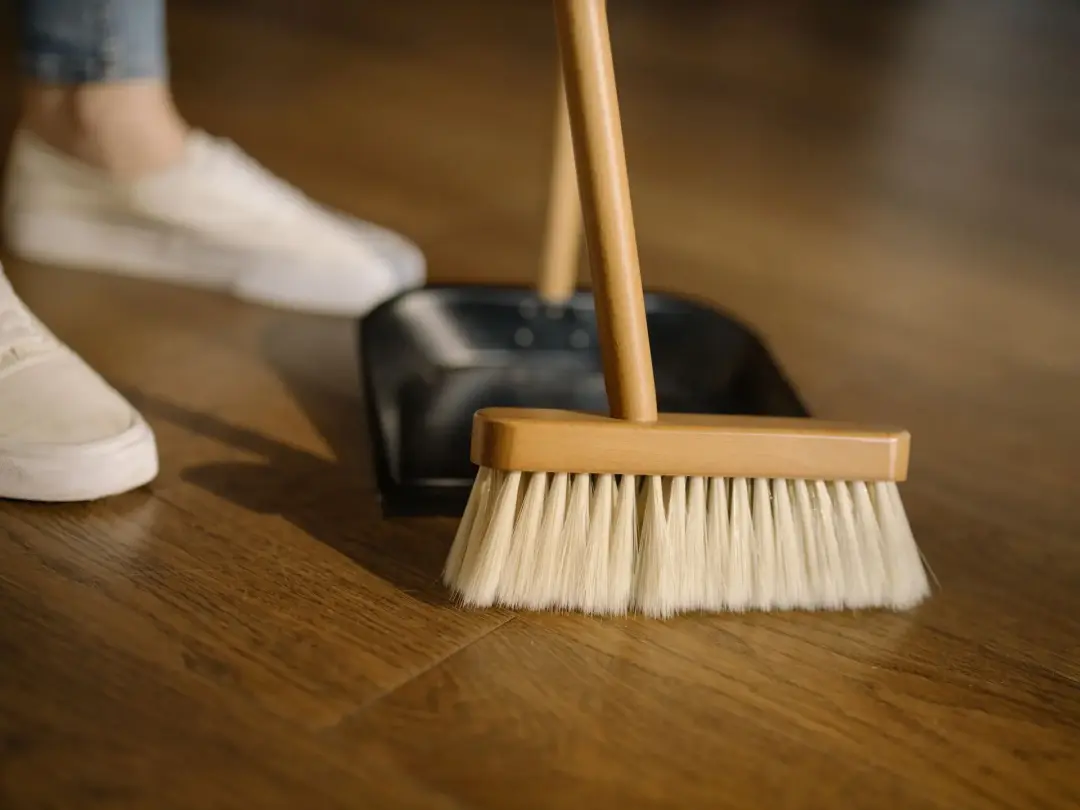
The steps require particular attention because they receive the greatest amount of contact. Dirt, grit and small stones carried in on shoes can damage coatings and make surfaces slippery. Vacuum or sweep the full width of each step, including the front edge and the areas close to the supports. Any mats or removable coverings should be lifted and cleaned separately.
Dusting provides a useful opportunity to inspect the staircase. Look for chips, scratches, loose parts and changes in colour while the surfaces are clear. Pay attention to areas that are difficult to reach or rarely seen. Removing loose dirt regularly reduces the need for heavy cleaning and helps prevent particles from building up in places where they could hold moisture against the metal.
Clean the Staircase with Suitable Products
After loose dirt has been removed, the staircase can be cleaned with products that are suitable for its metal and finish. In many cases, warm water mixed with a small amount of mild washing-up liquid is enough. This can remove fingerprints, light grease and everyday marks without placing unnecessary strain on the surface.
Use a soft cloth or non-abrasive sponge. Wring it out well so that water does not run into joints, fixings or enclosed sections. Clean one area at a time and avoid leaving the surface wet for longer than needed. For steps with textured surfaces, a soft brush may help lift dirt from shallow patterns without damaging the coating.
Rinse away cleaning product where required, using a separate damp cloth. Soap left on the staircase may create streaks or make smooth parts feel slippery. Dry the surface with a clean cloth, paying close attention to corners and horizontal areas where water can collect. Drying is especially important on plain steel and around damaged coatings.
Specialist products may be useful for stainless steel, aluminium or heavily marked surfaces, but the label should be checked carefully. The product should be suitable for both the metal and its finish. Never assume that a general metal cleaner is safe for every staircase. Testing a small hidden section first can reveal unwanted changes before the product is applied to a visible area.
Avoid Harsh Chemicals and Rough Tools
Strong chemicals and rough cleaning tools can damage the surface of a metal staircase. Bleach, strong acids, oven cleaner and products containing high levels of chlorine may stain, weaken or discolour metal. They can also damage paint and powder coating, leaving the surface beneath more exposed to moisture.
Abrasive powders, wire wool and hard scouring pads should also be avoided unless they have been approved for a specific repair. These tools can scratch smooth finishes and remove protective layers. Even small scratches may become visible under strong light. On coated steel, deeper damage may create a path for water to reach the metal and begin corrosion.
Mixing cleaning products can be dangerous and should never be attempted. Some combinations release harmful gases or create strong reactions. Follow the instructions on each product and use only the amount required. Good ventilation, suitable gloves and careful handling may be needed, even when using a mild cleaner.
When a mark cannot be removed with gentle cleaning, do not increase the force without identifying the cause. Paint, adhesive, cement and rust staining may each require a different treatment. Contacting the installer, manufacturer or a metal care professional can prevent further damage. A careful method may take slightly longer, but it protects the finish and reduces the chance of creating a repair that is more noticeable than the original mark.
Check for Rust and Corrosion
Rust and corrosion should be checked for regularly, especially on steel staircases and structures exposed to moisture. Rust often begins where a protective finish has been scratched, chipped or worn away. It may also develop around bolts, welds, joints and places where water remains after rain or cleaning.
Early rust may appear as small orange or brown spots. The surrounding paint may begin to bubble, lift or change colour. More advanced corrosion can create rough surfaces, flaking metal or visible loss of material. Stainless steel may show brown staining without serious damage beneath, but the cause should still be investigated and cleaned correctly.
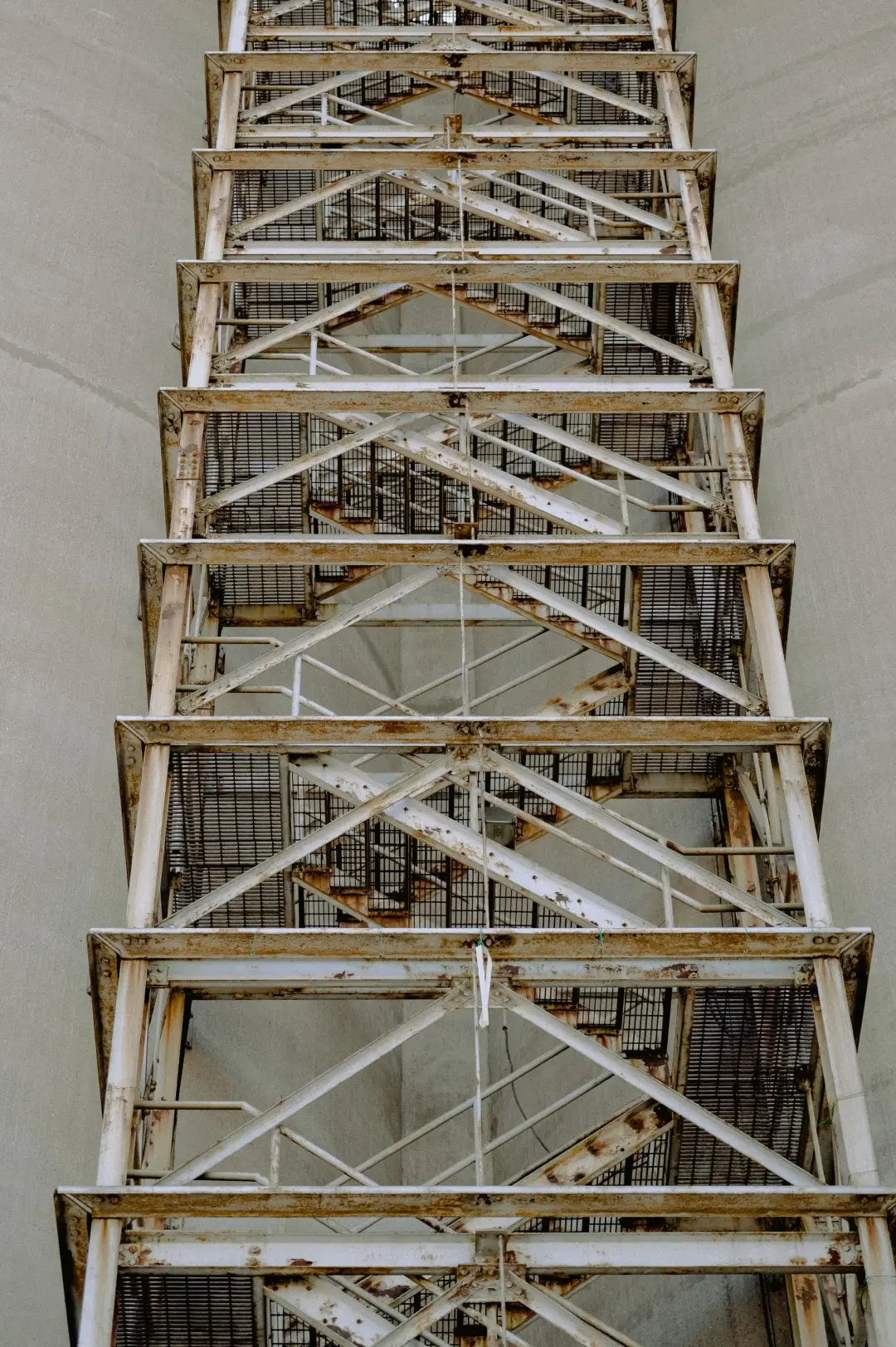
Use good lighting and inspect areas from several angles. Check the underside of steps, the base of posts and the points where the staircase meets walls or floors. Outdoor staircases should be examined after winter, heavy rain or building work. Salt, mud, leaves and other material can hold moisture against the surface and increase the risk of corrosion.
Finding rust does not always mean that the staircase has become unsafe. Small surface areas may be treated and protected before they spread. However, deep corrosion, holes, weakened sections or movement require professional assessment. Rust can reduce the thickness and strength of metal over time, so serious damage should not be covered with paint without first checking the condition beneath.
Treat Small Areas of Rust Early
Small rust spots are usually easier to manage than large damaged areas. Early treatment can stop corrosion from spreading beneath paint or powder coating. Before starting, identify the metal, finish and cause of the problem. There is little value in repairing the surface if water continues to collect in the same place.
Clean the area gently to remove dirt and loose material. Depending on the finish, a suitable fine abrasive or rust-removal tool may be used, but only on the affected area and with care. The aim is to remove loose rust without causing unnecessary damage to the surrounding coating. Protective equipment should be used where dust or chemical treatment is involved.
Once the affected metal is clean, it must be completely dry. A suitable rust treatment, primer and finish coat may then be required. These products should be compatible with one another and with the original surface. Matching the existing colour and texture may be difficult, especially on visible parts, so professional repair may provide a neater result.
Do not treat deep rust as a simple surface problem. If the metal has become thin, cracked or badly pitted, the strength of the staircase may be affected. The area should be inspected by a suitable professional before it is used heavily. Early action is important, but the repair method must match the level of damage rather than simply hiding it.
Inspect Bolts, Joints and Fixings
Bolts, joints and fixings hold the staircase together and connect it to the building. Regular inspection helps confirm that these parts remain secure. Movement can develop because of repeated use, vibration, changes in temperature or wear. A loose connection may create noise at first, but it can become a more serious safety concern if ignored.
Walk slowly up and down the staircase while listening for new creaks, clicks or rattles. Notice whether any step, post or section moves more than usual. Then inspect visible fixings for gaps, missing parts, rust or damage. Check where handrails meet posts and where the main frame connects to floors, landings or walls.
Do not tighten every bolt without knowing the correct method. Some connections require a particular level of tightness, and excessive force can damage threads, crush materials or affect alignment. Decorative covers may also hide important fittings. Where possible, follow the maintenance information provided by the manufacturer or installer.
A qualified person should examine fixings that repeatedly loosen, show corrosion or allow visible movement. This may indicate that the connection, surrounding material or original fitting needs attention. In commercial and public buildings, checks should be recorded and any unsafe section should be restricted until repairs are complete. Secure connections are essential to the stability and safe performance of the entire staircase.
Check Handrails and Balustrades
Handrails and balustrades help people use a staircase safely. Handrails provide support while moving between levels, and balustrades reduce the risk of falling from the side of the stairs or landing. These parts should feel solid, remain correctly positioned and have no sharp or damaged edges.
Hold the handrail at several points and apply gentle pressure in different directions. It should not wobble, lift or move away from its supports. Check brackets, posts and connecting points for loose fixings or cracks. Pay particular attention to the start and end of the handrail, as these areas may receive repeated pulling or pushing.
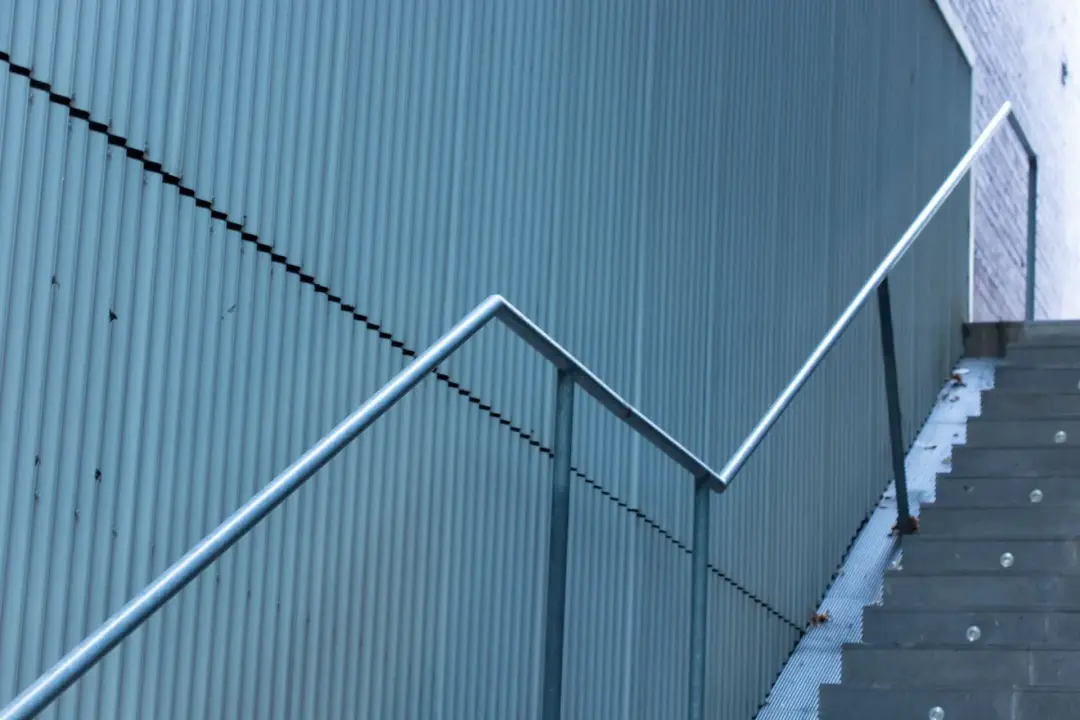
Balustrades should be examined for movement, bent sections, broken panels and changes in the gaps between parts. Glass panels should be checked for chips, cracks or loose clamps. Metal bars and rails should not have openings that have become larger because of damage or movement. Any decorative sections should remain firmly attached.
Cleaning also affects safety. Grease or polish can make handrails difficult to grip, while dirt can hide damage around fixings. Use a suitable cleaner and dry the surface fully. A loose handrail or damaged balustrade should be repaired promptly, particularly in homes with children, buildings used by the public or areas where users may rely heavily on support.
Protect Painted and Powder-Coated Surfaces
Painted and powder-coated surfaces form a barrier between the metal and the surrounding environment. This layer helps prevent moisture, dirt and air from reaching steel. It also provides the colour and texture of the staircase. Protecting the coating is therefore important for both appearance and long-term condition.
Clean these surfaces with mild products and soft cloths. Strong solvents may soften, stain or remove the finish. Rough sponges can leave dull areas or fine scratches. When moving furniture or equipment near the staircase, protect posts, step edges and lower rails from impact. These areas are commonly damaged because they are easy to strike.
Inspect the coating for chips, scratches, bubbles and areas where the colour has faded or become thin. Small damaged sections should be repaired with a compatible product before rust begins beneath them. The surrounding area needs to be clean and dry, and loose coating should not simply be painted over.
Large damaged areas may need professional preparation and refinishing. Achieving an even colour and texture can be difficult with a small brush repair, particularly on powder-coated surfaces. Outdoor coatings may also need to meet specific weather and corrosion requirements. Correct repair protects the metal and prevents a minor surface mark from developing into wider peeling or rust.
Care for Stainless Steel Staircases
Stainless steel is valued for its clean appearance and resistance to corrosion, but it is not completely free from maintenance. Fingerprints, grease, water marks and dust can reduce its shine. In certain environments, salt, chemicals and metal particles may also cause staining or surface corrosion.
For routine cleaning, use warm water, mild washing-up liquid and a soft cloth. Wipe brushed stainless steel in the direction of the visible grain. This helps maintain an even appearance and reduces the risk of creating crosswise marks. Polished surfaces should be cleaned gently to avoid fine scratches that may become visible in bright light.
Rinse and dry the surface after cleaning. Water left to dry naturally can leave mineral marks, particularly in hard-water areas. A specialist stainless steel cleaner may be used for difficult fingerprints or grease, but it should be applied according to the instructions. Avoid products containing chlorine and do not use ordinary steel wool.
Brown marks on stainless steel should not automatically be ignored. They may come from outside metal particles, local contamination or unsuitable cleaning products. Early cleaning can prevent the marks from becoming harder to remove. Persistent staining, pitting or corrosion near joints should be assessed by a professional who can identify the cause and recommend a suitable treatment.
Maintain Outdoor Metal Staircases
Outdoor metal staircases face harsher conditions than indoor structures. Rain, frost, sunlight, dirt, leaves and changing temperatures can all affect the surface and fittings. Staircases near roads or the coast may also be exposed to salt, which can increase corrosion. They therefore need more frequent cleaning and inspection.
Remove leaves, mud and other material from steps, landings and drainage points. Organic material can hold moisture against the metal and make walking surfaces slippery. Clear snow and ice with methods that will not damage the finish. Some de-icing products contain salts that may attack metal or collect around joints.
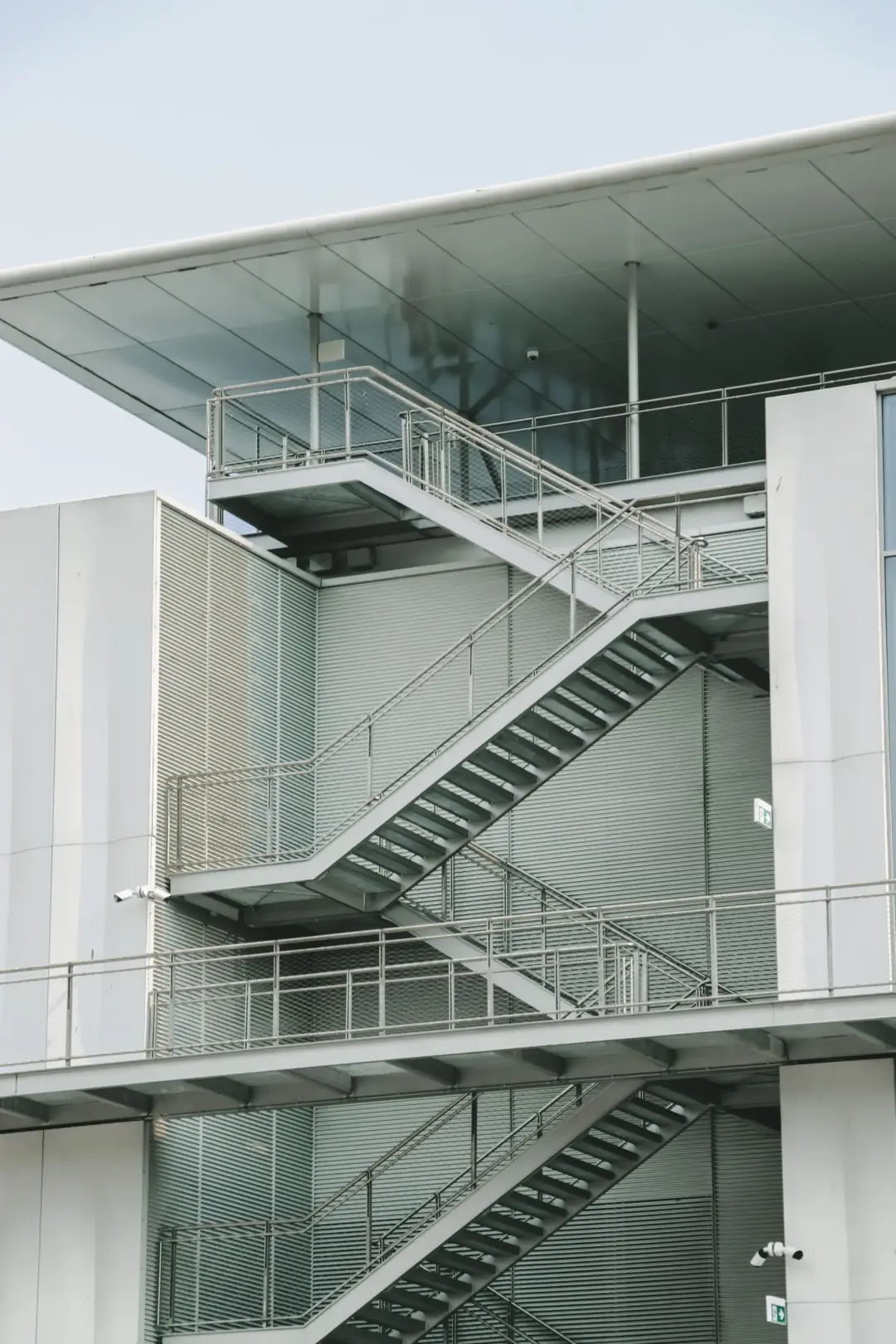
Inspect the staircase after severe weather. Look for standing water, blocked drainage, coating damage and loose fittings. Check areas close to the ground, as they may remain damp for longer. The underside of steps and the points where posts enter concrete or paving also require attention because damage may be less visible there.
The maintenance schedule should reflect the location. A sheltered staircase may need less frequent attention than one in an open coastal area. Suitable protective coatings, galvanising or corrosion-resistant materials can reduce the risk of damage, but they do not remove the need for checks. Prompt cleaning and repair will help an outdoor staircase remain safe and presentable throughout the year.
Prevent Water and Moisture Damage
Water is one of the main causes of corrosion on metal staircases. It may reach the surface through rain, cleaning, leaks, condensation or wet footwear. Protective finishes reduce the risk, but moisture can still enter through scratches, joints and damaged edges. Preventing water from remaining on the staircase is therefore important.
Dry indoor staircases after wet cleaning and deal with spills promptly. Check for leaks from nearby roofs, pipes, windows or doors. Condensation may form in poorly ventilated areas, particularly where cold metal meets warm indoor air. Improving airflow or controlling humidity can help reduce repeated moisture.
Outdoor staircases should have clear drainage. Water should not collect on steps, landings or around the bases of posts. Drain holes and channels must be kept free from leaves, mud and other material. The ground around the staircase should also direct water away rather than allowing it to pool against the structure.
Pay attention to places where metal meets another material. Water can become trapped between metal and timber, concrete, rubber or sealant. These hidden areas may stay wet long after the visible surface has dried. Damaged seals, gaps and failed drainage should be repaired. Preventing moisture is often easier and less costly than treating corrosion after it has spread beneath a coating.
Repair Scratches and Surface Damage
Scratches and chips may seem like minor appearance problems, but they can weaken the protective surface of a metal staircase. On painted or powder-coated steel, damage may expose bare metal to air and moisture. On stainless steel, scratches can affect the direction and consistency of the finish.
Begin by cleaning the damaged area with a suitable product. This makes it easier to see the depth and size of the mark. A light surface mark may only require gentle polishing with an approved product. A deeper scratch, chip or dent may need filling, smoothing, priming and recoating.
Any repair product should match the original material and finish. Applying ordinary household paint may create a poor colour match or fail to provide enough protection. Powder-coated surfaces can be particularly difficult to repair invisibly. Touch-up products may protect small areas, but larger damage may require professional refinishing.
The cause of the damage should also be addressed. Sharp objects, moving furniture, heavy equipment and loose fittings may continue to mark the staircase if nothing changes. Protective pads, barriers or changes to handling procedures can prevent repeated damage. Early repair helps maintain the appearance of the staircase and reduces the chance that a small exposed area will develop into corrosion.
When to Arrange Professional Maintenance
Routine dusting and gentle cleaning can usually be completed without specialist support. However, some types of maintenance require professional knowledge, tools or access equipment. A professional should be contacted when a problem affects the strength, stability, protective finish or safe use of the staircase.
Warning signs include repeated movement, cracked welds, badly corroded sections, bent supports and loose connections that cannot be secured correctly. Deep rust, holes or loss of metal should always be assessed. Glass panels with cracks, damaged edges or loose fittings also need prompt professional attention.
Professional help may also be needed for coating repairs. Large painted or powder-coated areas require careful preparation to achieve reliable protection. Stainless steel staining may need specialist cleaning or surface treatment. Outdoor staircases in harsh environments may benefit from planned inspections that identify corrosion before it becomes severe.
The inspection schedule should reflect the age, location and level of use. A private indoor staircase may need professional attention only when a fault appears. A busy commercial or external staircase may require regular planned visits. Keeping installation details and maintenance records available can help the professional understand the structure and choose the correct repair. Timely support protects users, maintains the appearance of the staircase and may prevent the need for larger work later.
At Elements Metalworks, we offer customers a range of options for metal staircases for Bristol, Cardiff, Gloucester and surrounding areas. With the help of our team, we'll supply, install and maintain bespoke, stainless steel staircases that meet the safety requirements of your home or commercial building. Give us a call today for further details.